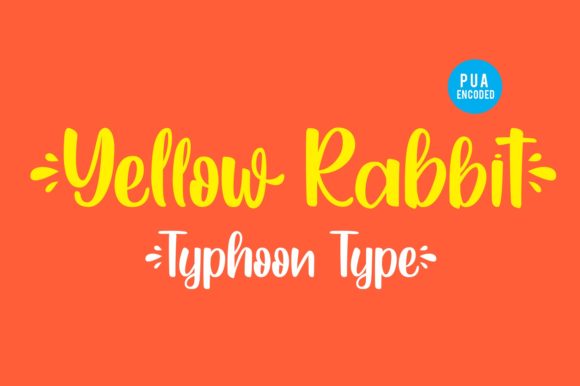
Yellow Rabbit: A Friendly Handwritten Font for Modern Design
Yellow Rabbit is more than just a font—it’s a design personality. With its cute and casual style, this handwritten font brings warmth and approachability to any project. Whether you're creating a logo, designing social media content, or crafting a greeting card, Yellow Rabbit offers a unique visual identity that stands out in a crowded digital landscape.
What makes Yellow Rabbit so special is its ability to convey friendliness and playfulness without being too childish. The font features soft curves and rounded edges that feel inviting, making it ideal for brands that want to connect with younger audiences or those looking to create a sense of community. Its versatility allows it to work across various platforms and mediums, from print to digital.
Why Choose Yellow Rabbit?
When selecting a font for your design projects, Yellow Rabbit offers several advantages that make it a strong contender. First, its casual and friendly aesthetic aligns well with modern branding trends that emphasize authenticity and relatability. In an age where consumers value brands that feel like real people, Yellow Rabbit helps build that connection.
Additionally, the font is highly readable, which is crucial for both screen and print use. While many handwritten fonts can be difficult to read at smaller sizes, Yellow Rabbit maintains clarity even when scaled down. This makes it suitable for a wide range of applications, including website headers, social media posts, and packaging designs.
Another key benefit of Yellow Rabbit is its adaptability. It works well in both light and dark color schemes, allowing designers to experiment with different visual styles. Whether paired with bold colors or muted tones, the font retains its charm and readability.
Applications of Yellow Rabbit in Design
Yellow Rabbit is not limited to a single use case—it's a font that can be applied across multiple industries and design scenarios. Let’s explore some of the most common ways it’s used:
- Logos and Branding: Many startups and small businesses use Yellow Rabbit to create logos that feel personal and engaging. Its friendly nature helps establish a brand voice that resonates with target audiences.
- Social Media Content: Platforms like Instagram, Facebook, and TikTok often feature user-generated content that benefits from a warm and approachable font. Yellow Rabbit adds a playful touch to captions, hashtags, and promotional graphics.
- Greeting Cards and Invitations: For personal use, Yellow Rabbit is perfect for handmade cards, wedding invitations, and birthday notes. It adds a handcrafted feel that feels more genuine than traditional typefaces.
- Product Packaging: Brands in the food, fashion, and lifestyle sectors have adopted Yellow Rabbit for packaging designs. Its whimsical style appeals to customers who enjoy a more lighthearted shopping experience.
- Website Headers and Call-to-Action Buttons: On websites, Yellow Rabbit can be used to highlight important sections such as promotions, events, or product launches. Its eye-catching style draws attention without overwhelming the reader.
These examples show how Yellow Rabbit can be integrated into both professional and personal projects. Its flexibility ensures that it remains relevant in a variety of contexts, making it a valuable tool for designers of all skill levels.
Designing with Yellow Rabbit: Tips and Best Practices
While Yellow Rabbit is easy to use, there are a few best practices to keep in mind to ensure optimal results:
1. Pair with Complementary Fonts: To maintain balance in your design, consider pairing Yellow Rabbit with a sans-serif or serif font for body text. This combination provides contrast while keeping the overall design cohesive.
2. Use Consistent Color Schemes: The font’s friendly nature shines through when paired with warm, pastel, or earthy tones. Avoid using overly bright or contrasting colors that might detract from its charm.
3. Test on Different Devices: Since Yellow Rabbit is a handwritten font, it may look slightly different on various screens. Always preview your design on multiple devices to ensure consistency.
4. Consider Readability in Context: When using Yellow Rabbit for longer text, such as blog posts or articles, ensure that the font size and spacing are appropriate. Smaller text can become difficult to read if not properly formatted.
By following these guidelines, you can maximize the impact of Yellow Rabbit in your design projects and ensure that it enhances rather than hinders the user experience.
The Future of Yellow Rabbit in Design
As the design industry continues to evolve, the demand for fonts that reflect personality and emotion is growing. Yellow Rabbit is well-positioned to meet this need by offering a blend of creativity and practicality. Its friendly tone and adaptability make it a go-to choice for designers who want to stand out in a competitive market.
Looking ahead, we can expect to see Yellow Rabbit used more frequently in emerging areas such as interactive design, augmented reality (AR), and virtual reality (VR) experiences. These technologies require fonts that are not only visually appealing but also functional in dynamic environments.
Moreover, as remote work and digital communication become more prevalent, the need for fonts that foster connection and engagement will only increase. Yellow Rabbit has the potential to play a significant role in shaping the future of digital design by bridging the gap between technology and human expression.
In conclusion, Yellow Rabbit is more than just a font—it's a design philosophy. Its ability to bring warmth, creativity, and approachability to any project makes it a valuable asset for designers and creators alike. Whether you're building a brand, crafting content, or designing for personal use, Yellow Rabbit offers a unique and versatile solution that is sure to leave a lasting impression.