Willow: A Versatile and Elegant Handwritten Font for Modern Design
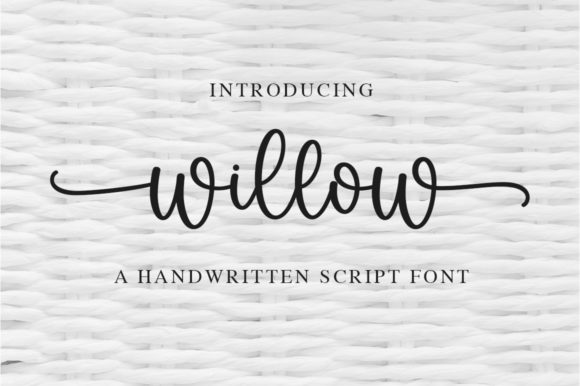
Willow is more than just a font—it's a visual language that brings elegance, grace, and personality to any design. With its delicate strokes and flowing curves, Willow has captured the hearts of designers, creators, and businesses alike. Whether used in branding, editorial work, or digital content, this handwritten font offers a unique blend of sophistication and approachability. Its versatility makes it suitable for a wide range of applications, from minimalist logos to creative social media posts.
The Aesthetic Appeal of Willow
At first glance, Willow’s design is immediately recognizable for its soft, organic feel. The font features beautifully balanced characters that flow naturally, creating a sense of movement and rhythm. Each letter is crafted with precision, ensuring that even the most intricate details are clear and legible. This balance between artistry and readability is what sets Willow apart from other handwritten fonts.
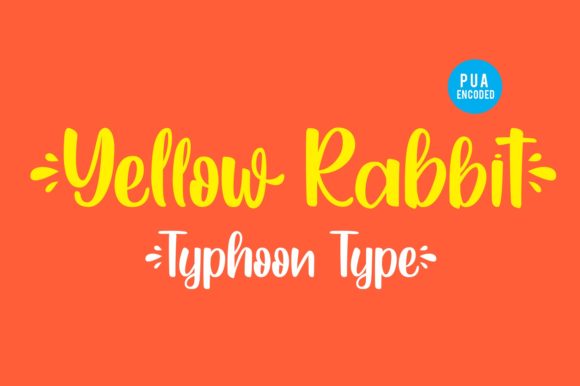
One of the standout characteristics of Willow is its PUA encoding. This means that all glyphs and swashes are accessible through Unicode, allowing users to easily customize and expand the font’s character set. For designers who want to add a personal touch to their projects, this feature opens up endless possibilities. From subtle flourishes to bold accents, the swashes can be used to enhance the visual impact of text without overwhelming the reader.
Why Choose Willow for Your Design Projects?
Willow is not just another pretty font—it’s a practical choice for a variety of design scenarios. Its elegant style makes it ideal for use in branding, especially for businesses that want to convey a sense of warmth and creativity. Think boutique stores, lifestyle brands, or wellness companies—Willow can help create a cohesive and memorable brand identity.
In addition to its aesthetic appeal, Willow is highly readable at smaller sizes, which is a crucial factor in modern design. Unlike some overly stylized fonts that become difficult to read when scaled down, Willow maintains clarity and legibility. This makes it a great option for body text in newsletters, blog posts, and other content-heavy formats.
Another advantage of Willow is its adaptability. It works well across different mediums, including print, web, and mobile. Whether you're designing a website, a poster, or a social media graphic, Willow can be seamlessly integrated into your workflow. Its clean structure also ensures that it performs well in both light and dark backgrounds, making it a versatile choice for various design contexts.
Use Cases for Willow in Real-World Applications
Willow’s versatility extends beyond just aesthetics. It can be used in a wide range of applications, from professional to personal. Here are a few examples of how Willow can be applied in real-world scenarios:
- Branding and Logo Design: Many small businesses and startups use Willow for their logos and brand materials. Its elegant yet approachable style helps create a strong visual identity that resonates with their target audience.
- Social Media Content: In the world of social media, where visual content reigns supreme, Willow can elevate the look of captions, headers, and even Instagram stories. It adds a touch of personality without being too distracting.
- Editorial and Print Work: Journalists, bloggers, and designers often use Willow for headlines, pull quotes, and other text elements in magazines, newspapers, and books. Its flowing nature complements written content while adding visual interest.
- User Interface (UI) Design: While not typically used for body text in UI design, Willow can be a great choice for decorative elements such as buttons, labels, and icons. It adds a unique flair that can differentiate a product from its competitors.
- Artistic and Creative Projects: Artists and illustrators often incorporate Willow into their work to add a handcrafted feel. It can be used in illustrations, greeting cards, and even scrapbooking to enhance the overall design.
Each of these use cases highlights how Willow can be tailored to fit different needs and styles. Whether you're looking for a font that conveys professionalism or one that exudes creativity, Willow offers the flexibility to meet your goals.
Considerations When Using Willow
While Willow is a powerful tool, there are a few considerations to keep in mind when using it in your projects:
First, it’s important to understand the limitations of handwritten fonts. They may not always be the best choice for long-form text due to their stylistic nature. However, as mentioned earlier, Willow is designed to maintain readability, making it a good alternative for short paragraphs or headlines.
Second, ensure that the font is properly embedded in your design files. If you’re working with vector graphics or print materials, double-check that the font is included in your file format to avoid any issues with rendering or display.
Third, consider the context in which you’ll be using the font. A handwritten font like Willow might not be appropriate for formal documents or corporate communications. It’s best suited for creative, expressive, or personal projects where a more artistic touch is desired.
Finally, don’t forget to test the font across different devices and platforms. Some fonts may appear differently on various screens or operating systems, so it’s always a good idea to preview your designs before finalizing them.
Willow in the Digital Age
With the rise of digital content creation, the demand for visually appealing fonts has never been higher. Willow fits perfectly into this landscape, offering a unique combination of beauty and functionality. Its compatibility with web and mobile platforms makes it an excellent choice for online projects, from websites to digital marketing campaigns.
Designers who work in the digital space often rely on tools like Adobe Illustrator, Photoshop, and Canva to create engaging visuals. Willow integrates seamlessly with these platforms, allowing for easy customization and application. Whether you're designing a logo, a banner, or a social media post, Willow can help bring your vision to life with minimal effort.
Moreover, the increasing popularity of customizable fonts has made it easier than ever to experiment with different styles and variations. With Willow’s PUA encoding, users can access additional glyphs and swashes, giving them the freedom to personalize their designs according to their specific needs.
Conclusion
Willow is more than just a font—it’s a design asset that can elevate your projects with its elegance, versatility, and readability. Whether you're a professional designer, a hobbyist, or a business owner, there's a place for Willow in your creative toolkit. Its ability to adapt to different contexts and applications makes it a valuable resource for anyone looking to add a touch of artistry to their work.
By understanding the strengths and limitations of Willow, you can make informed decisions about when and how to use it effectively. As the design world continues to evolve, fonts like Willow will remain essential tools for those who seek to create visually compelling and meaningful content.