Sweetie Font: A Romantic Twist on Modern Calligraphy
Key Characteristics of the Sweetie Font
Modern Calligraphy Style: Sweetie draws inspiration from classic calligraphy but adapts it for contemporary use. Its clean lines and fluid strokes give it a timeless appeal while keeping it relevant in today’s digital landscape.
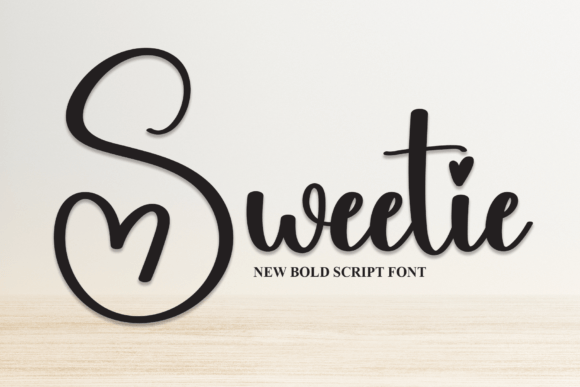
Heart Tails: As mentioned, the heart-shaped tails on characters like "i" and "j" are a defining trait. These details not only enhance the visual appeal but also add a layer of meaning that can be leveraged in various applications.
Readability: Despite its ornate appearance, Sweetie maintains excellent readability. The spacing and stroke weight are carefully balanced to ensure clarity even at smaller sizes.
Adaptability: This font works across multiple platforms and mediums, including websites, print materials, social media posts, and email campaigns. Its versatility makes it a valuable asset for any designer or content creator.
Where Can You Use Sweetie?
- Branding: Use Sweetie for logos, packaging, and brand assets to create a memorable and emotionally appealing identity.
- Marketing Materials: Incorporate Sweetie into brochures, flyers, and promotional content to capture attention and convey warmth.
- Digital Content: Apply Sweetie to websites, blogs, and social media graphics to enhance user engagement and visual storytelling.
- Education: Teachers and educators can use Sweetie in presentations, handouts, and classroom materials to make learning more interactive and visually stimulating.
- Creative Projects: From wedding invitations to greeting cards, Sweetie adds a touch of romance and sophistication to any creative endeavor.
Practical Applications Across Industries
In the world of marketing, Sweetie can help brands stand out in a crowded market. Its romantic aesthetic appeals to consumers looking for authenticity and emotional resonance. For instance, a boutique fashion brand might use Sweetie in their product descriptions and social media visuals to evoke feelings of elegance and charm.
For educators, Sweetie can be used in lesson plans, quizzes, and student projects to make content more engaging. A teacher might use it in a poetry unit to help students appreciate the beauty of language through visual design.
In creative fields, designers often seek fonts that reflect the mood or theme of their work. Sweetie fits perfectly in projects focused on love, art, and culture. It’s ideal for creating invitations, posters, and illustrations that tell a story through typography.
When it comes to digital content, Sweetie performs well on both desktop and mobile devices. Its legibility ensures that users can read it comfortably, whether they’re browsing a website or scrolling through a social media feed.
Choosing the Right Font for Your Needs
Selecting the right font involves considering several factors, including the purpose of the text, the target audience, and the platform where it will be used. Sweetie is best suited for projects that require a balance between style and functionality.
Before implementing Sweetie in your design, consider the following:
- Font Pairing: Pair Sweetie with a complementary sans-serif font for headings and body text to maintain contrast and readability.
- Size and Weight: Test different sizes and weights to ensure the font remains legible in all contexts.
- Platform Compatibility: Check if the font supports all necessary languages and character sets for your intended use.
- License Agreement: Always review the licensing terms to ensure compliance with usage rights.
Conclusion
Sweetie is more than just a font—it’s a statement. Its romantic design, heart-tailed characters, and elegant style make it a powerful tool for communication, creativity, and branding. Whether you're a professional, entrepreneur, or hobbyist, Sweetie can help you express your ideas with style and emotion.
By understanding its strengths and limitations, you can effectively integrate Sweetie into your projects and maximize its impact. With thoughtful application, this font can become a valuable addition to your design toolkit.