Boy Graffiti: The Edgy Aesthetic of Urban Lettering
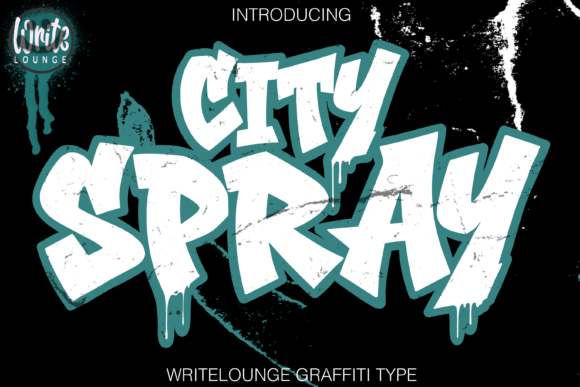
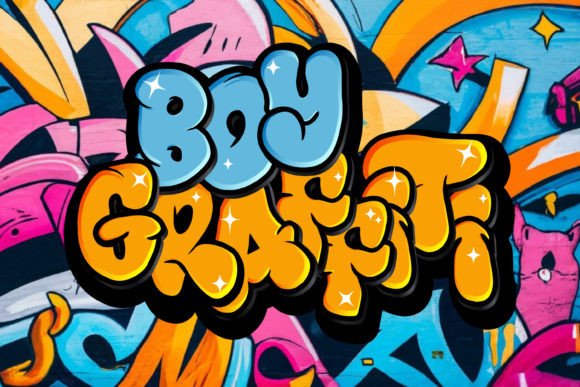
Boy Graffiti is more than just a style—it's a cultural movement that has evolved from the streets into digital design, branding, and artistic expression. With its bold letterforms, raw energy, and rebellious spirit, Boy Graffiti Font captures the essence of urban culture in a way that resonates with creators across industries. Whether you're a designer looking to infuse your work with street art flair or a hobbyist exploring new ways to express creativity, understanding the nuances of Boy Graffiti can elevate your projects to new heights.
The Origins and Evolution of Boy Graffiti
Graffiti as an art form has deep roots in urban environments, where it emerged as a means of self-expression for marginalized communities. Boy Graffiti, in particular, gained traction in the late 20th century, influenced by hip-hop culture, skateboarding, and youth subcultures. This style often features stylized lettering, exaggerated curves, and a sense of urgency that reflects the fast-paced nature of city life.
Over time, Boy Graffiti has transitioned from physical murals to digital formats, making it accessible to a wider audience. Today, Boy Graffiti Fonts are used in everything from album covers to social media graphics, proving that this edgy aesthetic continues to influence contemporary design trends.
Characteristics of Boy Graffiti Fonts
What sets Boy Graffiti apart from other font styles is its distinctive visual language. These fonts typically feature:
- Bold and aggressive letterforms that convey strength and defiance.
- Irregular shapes and textures that mimic the spontaneity of real graffiti.
- Dynamic spacing and angles that create a sense of motion and energy.
- Use of negative space to enhance contrast and visual impact.
- Customizable elements such as tags, stencils, and hand-drawn details.
These characteristics make Boy Graffiti Fonts ideal for projects that require a strong visual statement. They are particularly popular in fashion, music, and advertising industries where uniqueness and memorability are key.
Why Choose Boy Graffiti for Your Design?
Using Boy Graffiti in your creative projects offers several advantages:
- High visual impact—the raw energy of these fonts can immediately capture attention.
- Flexibility in application—they work well in both digital and print formats.
- Cultural relevance—Boy Graffiti is associated with youth culture and urban identity.
- Emotional resonance—the style evokes feelings of rebellion, freedom, and authenticity.
- Brand differentiation—using Boy Graffiti can help your brand stand out in a crowded market.
For designers aiming to create a bold and memorable look, Boy Graffiti Fonts provide a versatile toolkit that can be tailored to fit various creative needs.
Use Cases for Boy Graffiti Fonts
Boy Graffiti Fonts are not limited to street art—they have found a place in a wide range of design applications:
1. Graphic Design and Branding
Many brands use Boy Graffiti Fonts to create a distinctive identity. For example, fashion labels often incorporate these fonts into logos and packaging to reflect a youthful, edgy vibe. Similarly, music artists and influencers leverage Boy Graffiti to align their visual content with their personal brand.
2. Social Media and Digital Content
In the age of Instagram, TikTok, and YouTube, Boy Graffiti Fonts have become a go-to choice for creating eye-catching visuals. From profile headers to video overlays, these fonts add a layer of authenticity and style that resonates with younger audiences.
3. Advertising and Marketing
Marketers use Boy Graffiti Fonts to craft campaigns that speak directly to urban demographics. Whether it's a poster promoting a concert or a digital ad targeting Gen Z, the right font can significantly enhance the message's impact.
4. Educational and Cultural Projects
Boy Graffiti Fonts are also valuable in educational settings. They can be used to teach typography, graphic design, and even history by providing students with a tangible connection to urban culture and artistic evolution.
Considerations When Using Boy Graffiti Fonts
While Boy Graffiti Fonts offer many benefits, there are a few considerations to keep in mind:
- Readability—some fonts may be too stylized for certain contexts, so it's important to balance aesthetics with legibility.
- Contextual appropriateness—not all projects will benefit from the rebellious tone of Boy Graffiti. Consider the audience and purpose before selecting a font.
- Font licensing—ensure that the font you choose is properly licensed for commercial use, especially if you're planning to use it in marketing or branding.
- Technical compatibility—some Boy Graffiti Fonts may not render consistently across different platforms or devices.
By carefully evaluating these factors, you can ensure that your use of Boy Graffiti Fonts enhances rather than hinders your creative goals.
Exploring the Best Boy Graffiti Fonts
With so many options available, choosing the right Boy Graffiti Font can be overwhelming. Here are some standout choices that are widely praised for their versatility and visual appeal:
- Doodle—a playful yet powerful font that combines whimsy with strength.
- Skate—ideal for sports brands and action-oriented designs.
- Street—a classic choice known for its clean lines and dynamic structure.
- Urban—perfect for modern, minimalist designs that still carry a rebellious edge.
- Tag—a font that mimics the look of real graffiti tags, making it great for street art and underground aesthetics.
Each of these fonts brings something unique to the table, allowing designers to experiment with different styles and find the perfect match for their project.
Conclusion
Boy Graffiti Fonts are more than just a trend—they represent a powerful form of artistic expression that continues to evolve. By understanding their characteristics, applications, and considerations, designers can harness the energy and creativity of Boy Graffiti to create compelling visual narratives. Whether you're working on a personal project or a professional campaign, incorporating Boy Graffiti into your design toolkit can help you stand out in a world that values originality and authenticity.